Green Initiatives: How E-Waste Recycling Services Are Protecting Our Planet
E-waste represents a considerable hazard to the environment, as disposed electronics frequently harbor hazardous substances. These toxic materials have the potential to taint soil and water sources, leading to broader ecological damage. Electronic waste recycling programs offer an effective remedy. They not only recover valuable resources but also mitigate pollution. Understanding how these services operate and their impact on communities is essential. Pursuing efficient e-waste management brings forth pressing questions regarding individual duties and shared responsibility. What measures can be pursued from this point onward?
Why E-Waste Is Bad for the Planet
While technology enriches contemporary living, e-waste poses serious threats to the environment. Abandoned electronic gadgets, commonly laden with toxic substances including mercury, lead, and cadmium, may release harmful substances into groundwater and soil, posing risks to ecosystems and human health. The accelerating rate of technological innovation contributes to greater consumer replacement of electronic devices, exacerbating the accumulation of discarded electronic materials.
Landfills, already strained by waste, are unable to keep up with the rising quantities of abandoned electronics. Burning, an alternative disposal approach, discharges toxic contaminants into the air, worsening overall air quality. In addition, improper recycling practices can lead to the exportation of e-waste to developing countries, where laborers may dismantle devices without adequate safety measures, exposing themselves to dangerous substances. This pattern of negligence and mismanagement highlights the critical demand for eco-friendly recycling alternatives that can reduce the damaging impact of electronic waste on the environment.
What Is E-Waste and Why Is It Important?
E-waste, or electronic waste, includes obsolete electronic products like smartphones, computers, and televisions that have reached the end of their useful life. This increasingly prevalent form of waste is important due to its rapid accumulation, fueled by innovation in technology and shifting consumer habits. As growing numbers of electronics become outdated, the ecological consequences become more pronounced, with toxic materials such as lead, mercury, and cadmium posing risks to ecosystems and human health.
Addressing e-waste is crucial not only for reducing these dangers but also for acknowledging the precious materials found within it. Precious metals and rare earth elements can be recovered and reused, reducing the need for mining and conserving natural resources. With a thorough understanding of e-waste and its impact, people and organizations alike can make educated decisions about disposal and recycling, helping to build a more sustainable world. Effective handling of e-waste is vital for encouraging a circular economy and advancing environmental responsibility.
The Way E-Waste Recycling Functions
Recycling e-waste involves a structured approach aimed at reclaiming useful resources while limiting ecological damage. At the outset, e-waste is collected and transported to dedicated processing centers. Once there, the electronics are carefully categorized to separate hazardous components from recyclable materials.
Subsequently, technicians deconstruct the items, extracting metals, plastics, and glass. This step is critical, as it makes possible the retrieval of precious metals like gold, silver, and copper, which are repurposed in new electronic products.
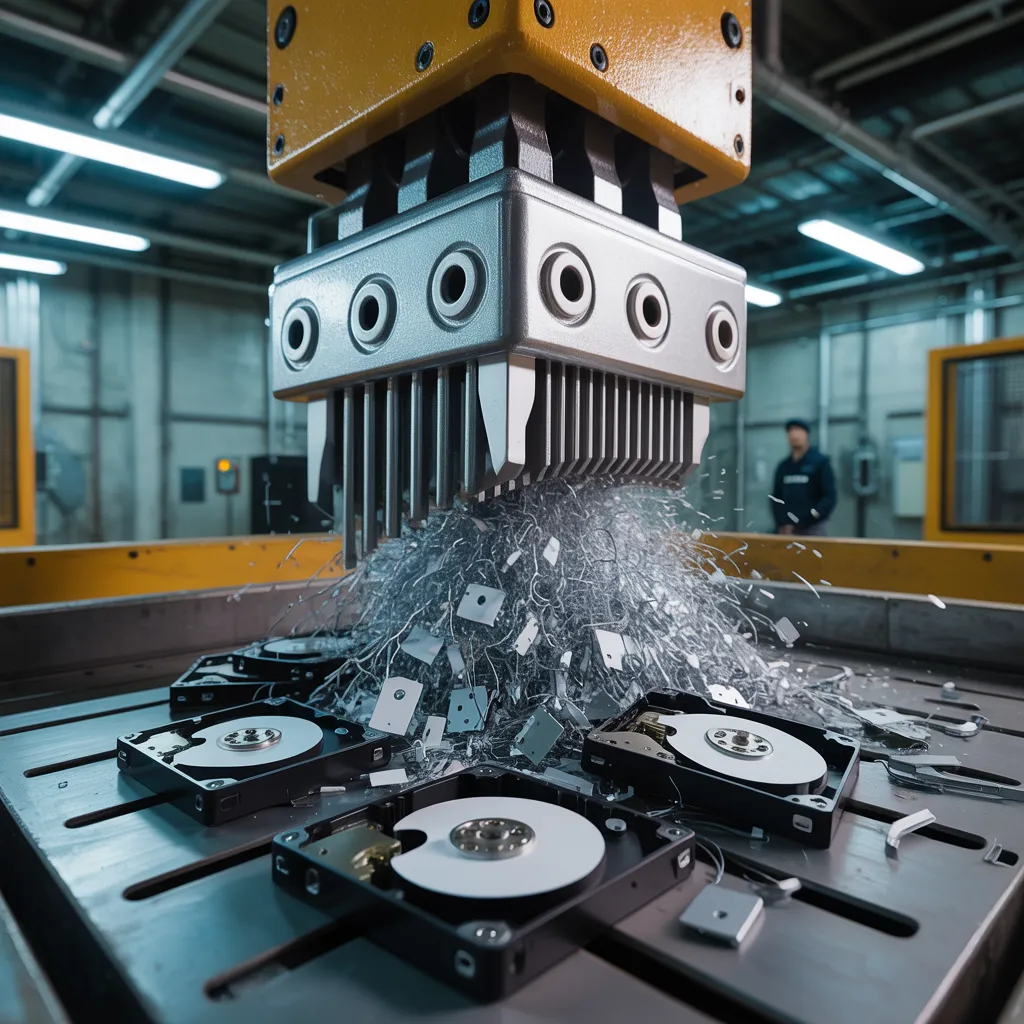
Following this, the divided materials are processed with state-of-the-art techniques, such as mechanical shredding and chemical processing, to cleanse them for recycling.
In the final step, the residual hazardous materials are disposed of responsibly, adhering to environmental regulations. This comprehensive process not only conserves resources but also reduces the dangers associated with irresponsible electronic waste disposal, ensuring a more sustainable future for electronic consumption.
The Benefits of E-Waste Recycling for You and Your Community
While many individuals may not realize it, the benefits of e-waste recycling reach well past personal use to meaningfully influence entire communities. By responsibly disposing of electronic waste, individuals play a role in creating a healthier environment, reducing harmful substances that can seep into soil and water. This forward-thinking practice helps preserve local ecosystems and supports public health.
Furthermore, e-waste recycling fosters employment opportunities within local communities. Community recycling operations commonly require workers for diverse activities, from collection to processing, therefore offering work opportunities for local residents. This not only enhances the community economy but also inspires community dedication to sustainable efforts.
Furthermore, awareness of e-waste recycling is capable of inspiring educational initiatives, enabling residents to embrace sustainable practices. By engaging with e-waste recycling programs, individuals cultivate a culture of sustainability, motivating others to embrace similar practices. Ultimately, the collective impact of these actions can result in a more strong and environmentally aware community.
Tips for Choosing an E-Waste Recycling Service
Selecting the best electronic waste recycling provider is vital for making sure that e-waste is processed responsibly and sustainably. To begin, individuals should verify the provider's certifications, such as R2 or e-Stewards, which indicate adherence to established benchmarks for secure waste disposal procedures. It is equally important to examine the provider's standing by reading customer reviews and looking for recommendations from trusted sources.
Furthermore, transparency in the recycling process is vital. A reliable company should supply straightforward details about the way Begin here e-waste is handled and what happens to the materials. Moreover, evaluating the range of services offered can be beneficial; some companies may provide pickup services or offer incentives for recycling.
Finally, being aware of area-specific requirements for e-waste disposal can additionally influence the decision-making process. When these considerations are given priority, individuals can contribute to effective e-waste management while supporting environmentally responsible practices.
How You Can Get Involved in E-Waste Recycling?
Participating in e-waste recycling may begin at the local level, where local recycling facilities often provide essential services for proper disposal. Additionally, joining community awareness campaigns can strengthen efforts to educate others about the importance of ethical e-waste practices. These initiatives not only advance environmental sustainability but also foster a collective sense of accountability for the environment.
Nearby Recycling Facilities
A wide range of local recycling centers perform an important function in recycling electronic waste, giving communities practical solutions to dispose of electronic waste responsibly. These stations receive a variety of electronic equipment, including used computers, handheld devices, and televisions, ensuring that harmful materials are handled safely. Many hubs feature qualified professionals who help individuals navigate appropriate disposal procedures, underscoring the benefits of recycling compared to landfilling. Furthermore, many centers offer drop-off events or designated collection days, enabling residents to engage without difficulty. By engaging with these local facilities, residents support a circular economy, decreasing environmental damage and advancing sustainable approaches. Working alongside these hubs empowers communities to take action against e-waste pollution effectively.
Community Outreach Campaigns
Local organizations, schools, and businesses can collaborate to host events that promote e-waste collection drives. Volunteers can play a pivotal role in spreading awareness, distributing educational materials, and engaging with the community. By means of these joint initiatives, residents become more informed and motivated to recycle their electronic waste, thereby helping to build a greener and more sustainable tomorrow.
Questions We Often Receive
What Types of Electronics Can Be Recycled?
Many different electronics are able to be recycled, including smartphones, computers, laptops, televisions, printers, and gaming consoles. In addition, accessories such as keyboards, mice, and batteries are equally appropriate for recycling, contributing to environmental conservation efforts.
Do Any Costs Come With E-Waste Recycling?
That's correct, e-waste disposal may involve costs, depending on the service provider. Some service centers charge fees for collection or processing, while others provide no-cost solutions, typically funded by the proceeds from salvaged materials.
How Do Businesses Gain From E-Waste Recycling?
Businesses can benefit from e-waste recycling by reducing disposal costs, strengthening their ecological standing, meeting compliance standards, extracting valuable resources, and potentially generating revenue through resale, thus supporting a greener and more sustainable operational framework.
What Occurs with Data on Recycled Devices?
Details regarding refurbished devices is frequently permanently erased or obliterated during the refurbishment process. This ensures confidential data stays protected, stopping improper access while enabling resources to be reused carefully and ethically within new applications.
Is It Possible to Recycle Damaged Electronics?
Indeed, broken electronics can be recycled. Many centers process defective devices, providing proper disposal and extraction of recoverable materials. Doing so helps reduce harm to the environment while promoting sustainable recycling habits to control e-waste responsibly.